
ATEX LED Explosion Proof Lights for Hazardous Areas
What are explosion proof lights ?
Explosion proof LED lights are built for areas where a spark or a hot surface would be a problem: refineries, chemical plants, gas stations, paint shops and mines. The housing is not simply sealed — the flame path, the cable entries and the surface temperature are all part of the certification, and the certificate has to cover the exact model on the wall.
Amasly supplies Ex d and Ex e luminaires for gas groups IIA, IIB and IIC, from 20 W bulkheads to 300 W high bays, with ATEX and CE documentation issued per model. Tell us the zone, the gas group and the mounting height, and we will match the fitting to the area rather than to the catalogue.
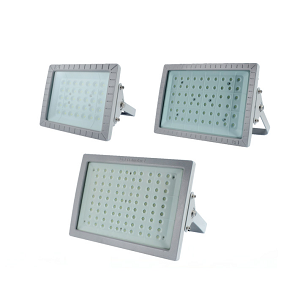
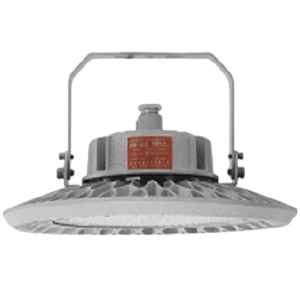
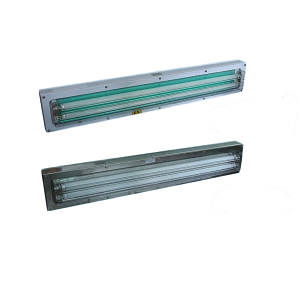
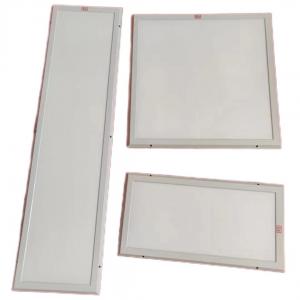
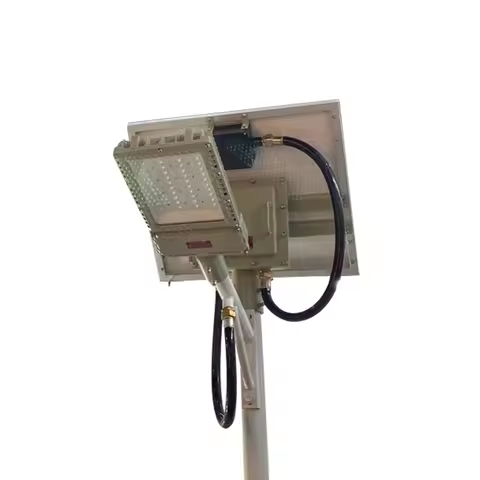
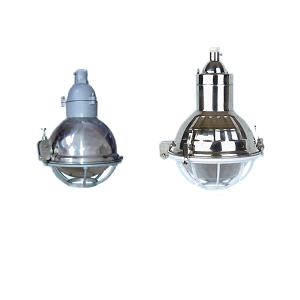
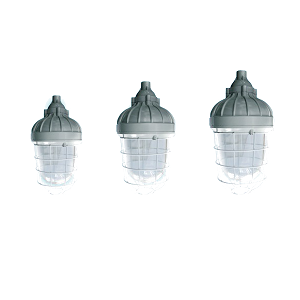
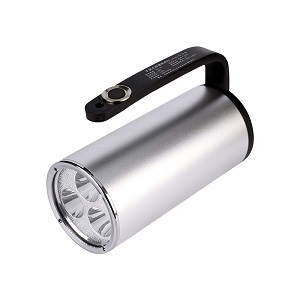
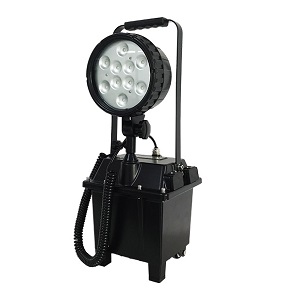
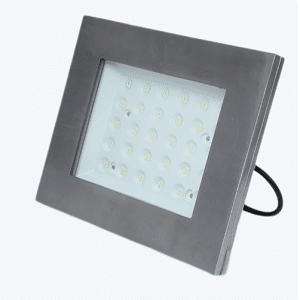
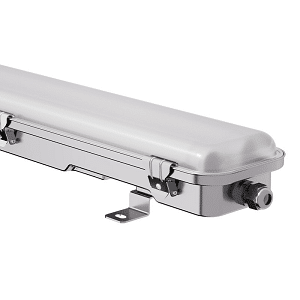
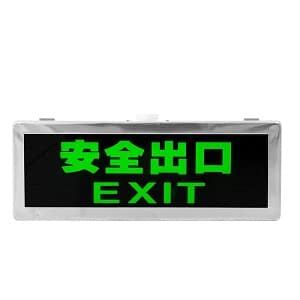
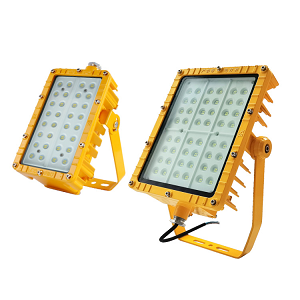
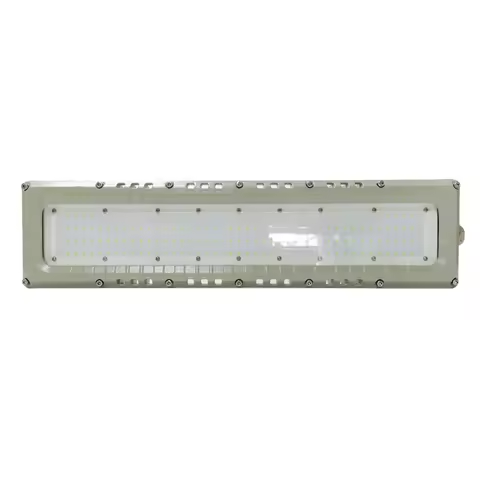
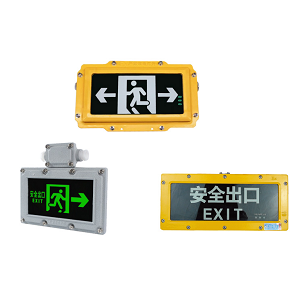
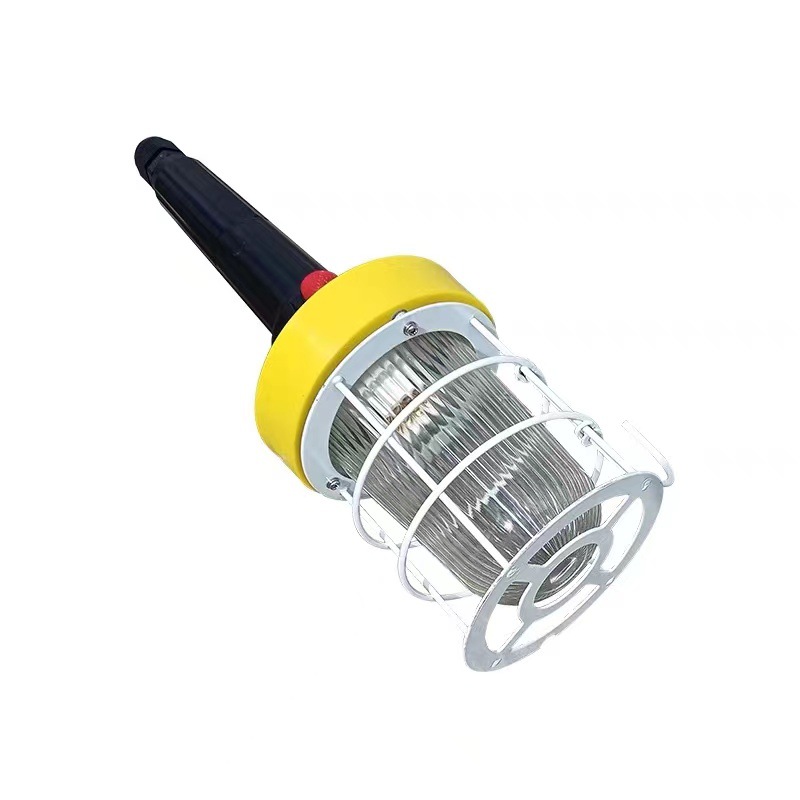
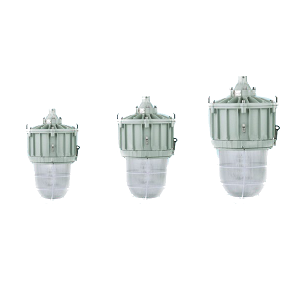
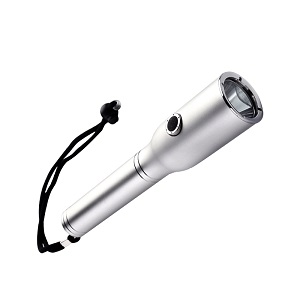
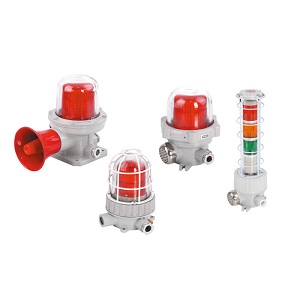
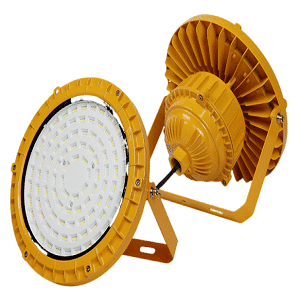
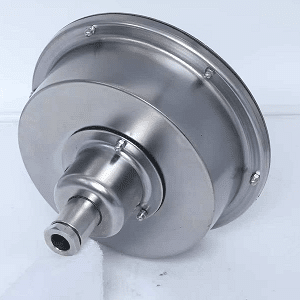
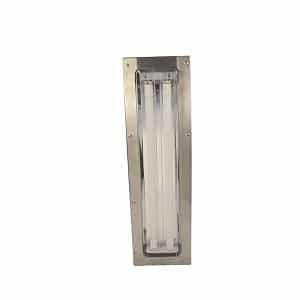
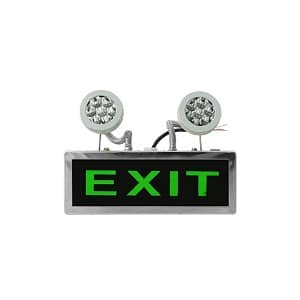
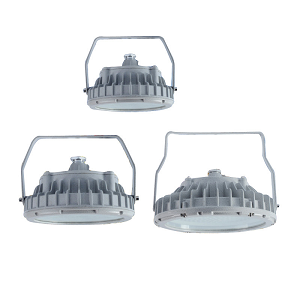
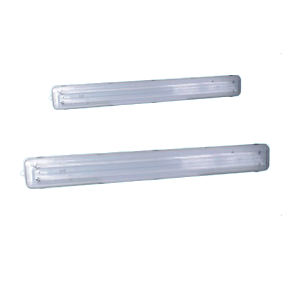
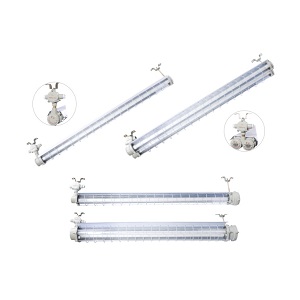
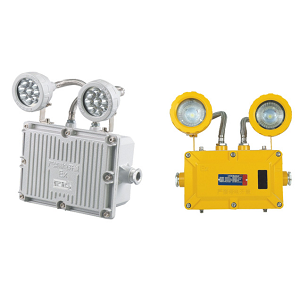
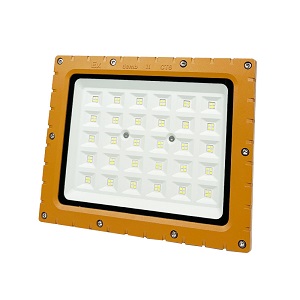
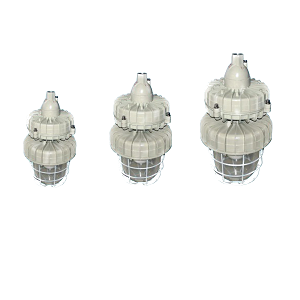
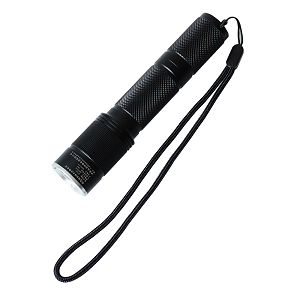
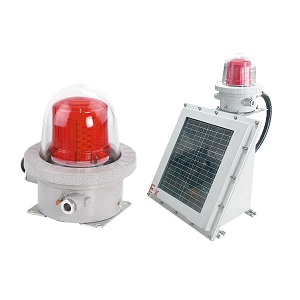
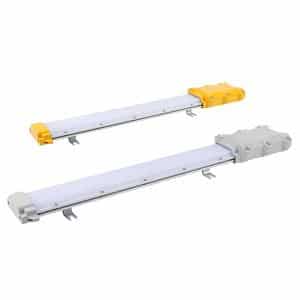
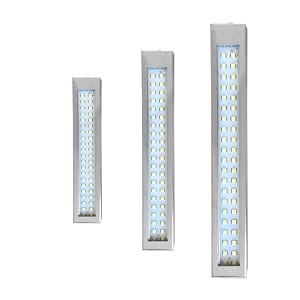
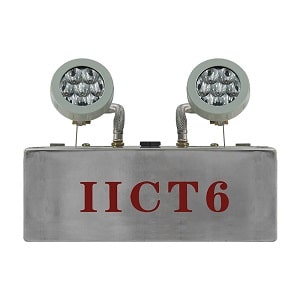
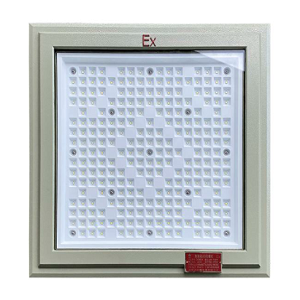
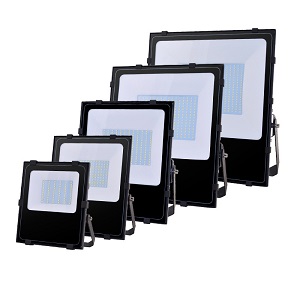
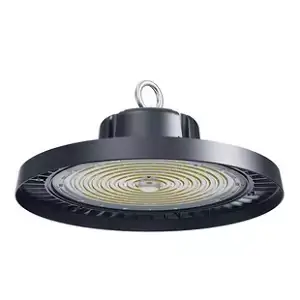
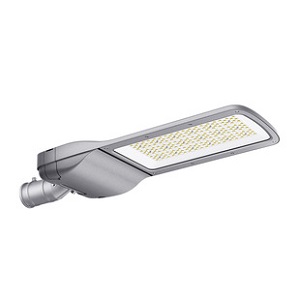
Explosion proof lights are divided by shape: round explosion proof lights (explosion proof high bay light), square explosion proof lights (explosion proof flood light), linear explosion proof lights, explosion proof emergency exit lights, explosion proof mobile working lights, explosion proof street lights.
Where install different Explosion Proof Lights ?
Four shapes cover almost every hazardous area, and the shape follows the mounting height before it follows the wattage. High bays belong where the ceiling sits six metres or higher — pipe racks, tank farms, loading gantries, large workshops — and want a 60–90 degree beam so the output reaches the floor instead of the walls. Floodlights mount on walls, brackets and gantry undersides at two to eight metres, lighting platform edges, storage yards and ship berths; an asymmetric distribution keeps the beam out of the crane cab glass. Linear fittings sit at one to three metres along walkways, cable trays, pipe galleries and control rooms inside the zone, where a continuous row gives an even line of light without the dark gaps a row of high bays leaves behind. Emergency and exit units are the fourth group, and the only one that has to work when nothing else does: check the battery duration the local code asks for, whether the unit self-tests, and whether the exit legend matches the site’s language requirements.
Form factor, mounting height and typical duty
| Form factor | Mounting height | Where it goes | Typical power | Beam |
| High bay | 6–12 m | Pipe racks, tank farms, loading gantries, workshops | 50–300 W | 60–90° |
| Floodlight | 2–20 m | Platform edges, storage yards, berths, gantry soffits | 30–600 W | asymmetric |
| Linear | 1–3 m | Walkways, cable trays, pipe galleries, control rooms | 18–100 W | wide rows |
| Emergency / exit | 2.2–2.8 m | Exit routes, stair heads, switch rooms, gate houses | 3–10 W | legend |
The three numbers that decide the model
Three numbers decide whether a fitting is right, and price comes after them. The Ex marking has to match the zone and the gas group: Zone 1 normally takes category 2G equipment, Ex d or Ex e; Zone 2 can take 3G; group IIB covers most hydrocarbons, while hydrogen, acetylene and carbon disulfide need IIC. Fitting a IIB enclosure into a IIC area is the expensive mistake, because the flame path clearances that quench a IIB flame will not quench a IIC one. Ingress protection comes next — IP65 is the working baseline, IP66 or IP67 for wash-down bays, coastal salt and exposed gantries — and the rating is only as good as the gland that was fitted with it. Then power against mounting height, worked backwards from the lux you need on the surface: 100 W at 150 lm/W gives about 15,000 lm, and at eight metres with a narrow beam that covers a circle of roughly ten metres at usable levels, while a wide beam at the same height spends half its output on the walls. Ambient temperature closes the list, because a driver rated for 40 °C will not reach its life figure at 55 °C — ask for the high-temperature version or derate the wattage.
Frequently asked questions
What does “Ex d” mean on the label?
Ex d is a flameproof enclosure. It is allowed to have an explosion inside it, and it is built to contain that explosion and cool the flame before it leaves through the joint. The cover bolts, the machined flange and the gap between them are part of the certificate, which is why a substitute bolt voids it.
Zone 1 or Zone 2 — which one do I need?
Zone 1 covers places where a flammable atmosphere is likely during normal operation, and takes category 2G equipment. Zone 2 is where it is unlikely and short-lived, and 3G is permitted. Plenty of plants specify 2G in Zone 2 anyway so the spares fit both, and that is a decision to make with the area drawing, not with the price list.
Is IP65 enough outdoors?
For a sheltered gantry, yes. For wash-down bays, coastal sites and exposed structures, specify IP66 or IP67 and add the corrosion class — C5-M or WF2 — because salt and hydrogen sulfide attack the housing long before water gets in. The gland and the stopping plugs have to carry the same rating as the housing.
Can a IIB light be installed where IIC is required?
No. The flame path clearances that work for IIB are too wide for IIC. Two housings can look identical and carry different markings, so check the label against the area drawing rather than against the photo.
What do you need to prepare a lighting layout?
Five items: the area or zone drawing, the gas group, the mounting height, the ambient temperature range, and the lux level required on the working surface. With those we return a layout with model numbers, quantities and beam angles.If the specification is still open, send those five items and we will come back with a layout rather than a product list. For projects already at tender stage, the model-specific ATEX and CE documents can be issued with the quotation.


General knowledge of explosion proof lights
1. explosion proof principle of explosion proof electrical equipment
| explosion proof type | explosion proof principle | Application |
| Enhanced safety type “e” | Electrical equipment that does not generate arcs or sparks under normal operating conditions is protected by additional measures to increase its safety and reliability and to prevent the generation of dangerous temperatures, arcs and sparks from its internal and external components. | explosion proof lighting, explosion proof motors, explosion proof junction boxes,Ex plugs and sockets, Ex flexible connection hoses |
| Flameproof “d” | An enclosure for electrical equipment that can withstand the explosion of a combustible mixture that has entered the interior of the enclosure without damage, and that will not ignite an external explosive atmosphere formed by one or more gases or vapors through any joints or structural holes in the enclosure. | explosion proof distribution box, explosion proof button, explosion proof operation column,explosion proof circuit breaker, explosion proof lamp, explosion proof motor. |
| Positive pressure type “p” | Positive pressure type “p” reduces the concentration of the explosive mixture inside to below the explosion limit by keeping the pressure of the protective gas inside higher than that of the surrounding area to avoid the entry of the explosive mixture into the enclosure or the passage of sufficient protective gas throughthe enclosure so that the concentration of the explosive mixture inside is reduced below the explosion limit. | explosion proof analyzer cabin, explosion proof power distribution and control unit |
| Intrinsically safe “i” | Under the specified test conditions, the electrical sparks and thermal effects generated by the circuits inside the equipment in normal operation or under the specified fault conditions shall not ignite the specified explosive mixture.Electrical equipment that cannot ignite the specified explosive gases or vapors under the specified test conditions or under the specified fault conditions. | explosion proof communication equipment, explosion proof sensors, explosion proof measurement and control equipment. |
| Cast-in type “m” | The part of the arc, spark or high temperature that may produce ignition of an explosive mixture is cast so that it cannot ignite the surrounding explosive gas mixture. | explosion proof transformers |
2. Relationship between the classification, ratings of gases or vapors in the premises and the types, classes of equipment allowed to be used
| Gases/vapors/classification/ratings in premises | Permitted Equipment Classes |
| IIA(e.g. propane, pentane, benzene, gasoline, ethanol, acetaldehyde, acetone, methylamine, etc.) | IIA,IIB or IIC |
| IIB(e.g. ethylene, dimethyl ether, coke oven gas, etc.) | IIB or IIC |
| IIC(e.g.: hydrogen, acetylene and carbon disulfide) | IIC |
3. Relationship between temperature groups, equipment surface temperatures and ignition temperatures of flammable gases or vapors
| Temperature group | Ignition temperature of gas or vapor ℃ | Maximum surface temperature of electrical equipment ℃ |
| T1 | T>450 | 450 |
| T2 | 450≥T>300 | 300 |
| T3 | 300≥T>200 | 200 |
| T4 | 200≥T>135 | 135 |
| T5 | 135≥T>100 | 100 |
| T6 | 100≥T>85 | 85 |
Explosion proof light classification:
1. According to the shape is divided into: round explosion proof light (explosion proof high bay light), square explosion proof light (explosion proof flood light), long explosion proof lights, explosion proof emergency exit lights, explosion proof moving lights, explosion proof street lights.
2. According to the explosion proof type is divided into explosion proof, increased safety, positive pressure, non-sparking type and dust explosion proof a total of five major types, but also by the other explosion proof type and the above explosion proof type or combination of various types of composite and special type.
Amasly LED Light FAQ
Q1.Can I have a sample order for led light ?
A: Yes, we welcome sample order to test and check quality. Mixed samples are acceptable.
Q2.What about the lead time?
A: Sample needs 3-5 days, mass production time needs 1-2 weeks.
Q3.Do you have any MOQ limit for led light order?
A: Low MOQ 1pc for sample checking is available.
Q4. How do you ship the goods and how long does it take to arrive?
A: We usually ship by DHL, UPS, FedEx or TNT. It usually takes 3-5 days to arrive. Air line and sea shipping also optional.
Q5. How to proceed an order for led light ?
A:
Firstly let us know your requirements or application.
Secondly, we quote according to your requirements or our suggestions.
Thirdly, customer confirms the samples and places deposit for formal order.
Fourthly, We arrange the production.
Q6.Is It ok to print my LOGO on led light product ?
A: Yes.Please inform us formally before our production and confirm the design firstly based on our sample.
Q7: Do you offer guarantee for the products?
A: Yes, we offer 2-5 years warranty to our products.
Q8: How to deal with the faulty?
A:
Firstly, Our products are produce dinstrict quality control system and the defective rate will be less than 0.2%
Secondly, during the guarantee period, we will provide parts to replace the bad part.. For bulk orders, we will provide vulnerable parts advance, or we can discuss solutions including recalls based on the actual situation.
Related Products
 English
 Spanish
 Arabic
 German
 French
 Russian
 Indonesian
 Thai
 Vietnamese
 Malay
 Italian
 Portuguese
 Romanian
 Greek
 Turkish
 Korean
 Japanese
 Dutch