
How Chemical Plants Can Prevent Explosions? 5 Critical Measures to Implement!

In recent years, frequent explosions at chemical plants have raised public concerns: Why do these facilities pose such a persistent threat to public safety? How can explosions be prevented at their root? Below are five essential strategies for chemical enterprises to mitigate explosion risks.
1. Explosion proof of chemical plants: Control and Eliminate Ignition Sources
(1) Open Flames
Open flames in industrial settings primarily include heating, maintenance, and other operational fire sources.
- Use steam or other heat-transfer mediums instead of open flames for heating flammable materials. If open flames are unavoidable, ensure equipment is tightly sealed, and combustion chambers are isolated from processing units.
- Minimize welding in fire- or explosion-prone areas. Maintain a safe distance between welding sites and flammable equipment. For hot work (e.g., welding) on equipment or pipelines containing flammable materials, strictly follow protocols such as isolation, purging, cleaning, and gas testing.
- Prevent sparks from chimneys or vehicle exhausts by ensuring proper furnace combustion, adequate chimney height, and installing spark arrestors on exhaust pipes.
(2) Friction and Impact
Sparks from machinery friction, metal collisions, or tools striking concrete can ignite flammable materials. Mitigation measures include:
- Regularly lubricate bearings to reduce friction and remove combustible residues.
- Use non-sparking materials (e.g., copper alloys) for rotating parts in hazardous areas. Install magnetic separators to remove metal debris from raw materials.
- Handle gas cylinders or flammable liquid containers gently. Prohibit spiked footwear in high-risk zones and use spark-resistant flooring.
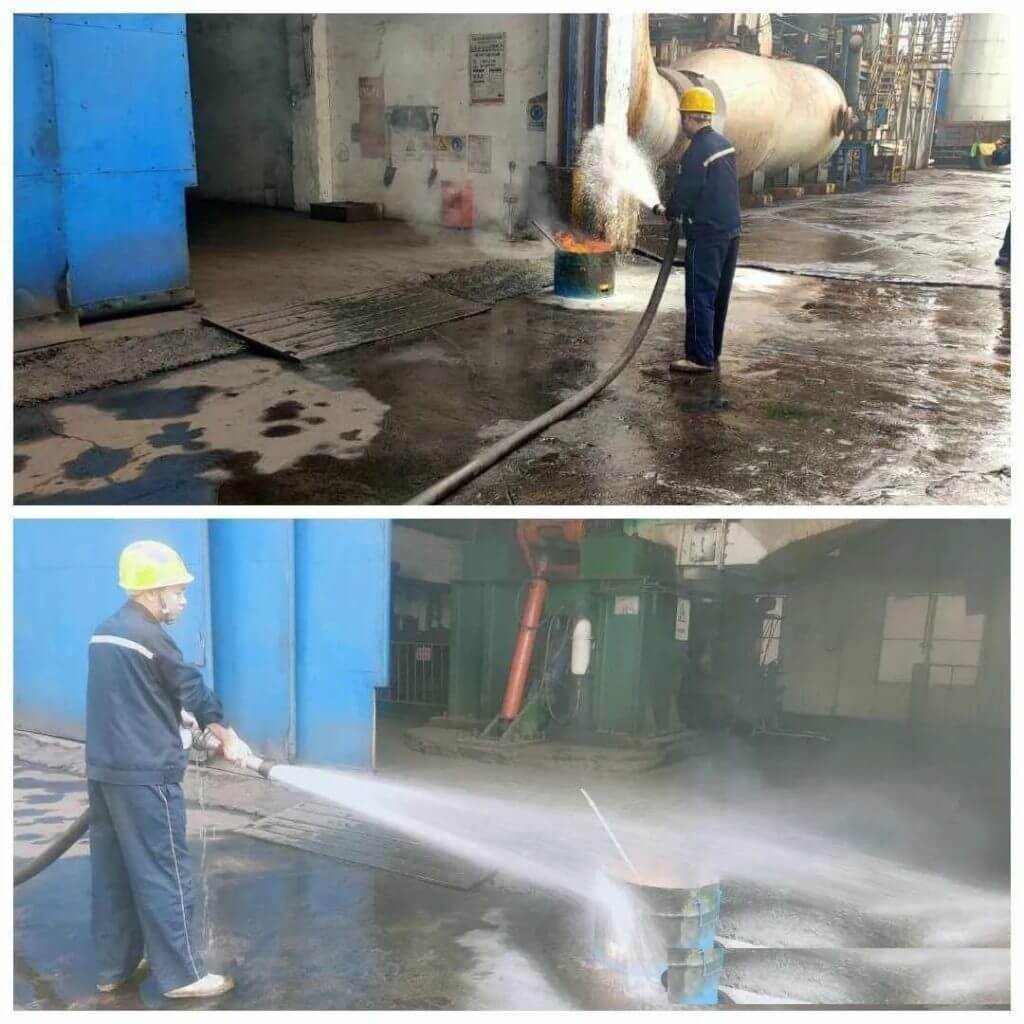
(3) Electrical Sparks
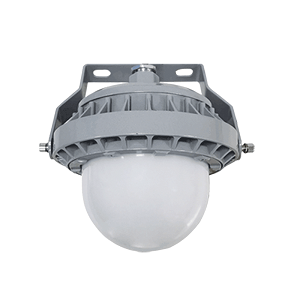
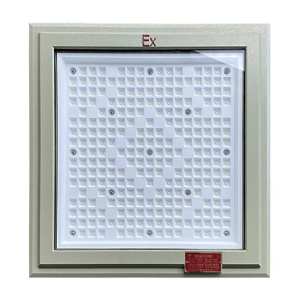
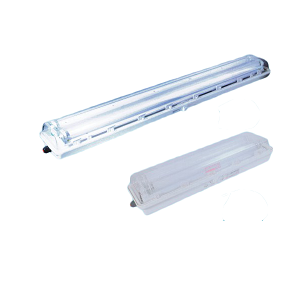
Electrical sparks are a major cause of explosions. Implement explosion-proof, sealed, or isolated electrical systems in hazardous areas based on risk classifications and material properties.
The selection of explosion-proof electrical equipment and other aspects should be carried out in accordance with relevant standards EN60079.
(4) Other Ignition Sources
Address electrostatic discharge, lightning strikes, and contact between flammable materials and hot surfaces. Insulate high-temperature equipment and pipelines.
2. Safe Handling of Hazardous Materials
- Substitute highly hazardous materials with safer alternatives where possible.
- Isolate or stabilize self-igniting substances (e.g., oils, water-reactive chemicals). Avoid mixing incompatible materials (e.g., oxidizers with flammables).
- Store unstable materials with stabilizers (e.g., sulfuric acid for hydrogen cyanide, hydroquinone for acrylonitrile).
- Use dark glass or metal containers for light-sensitive liquids (e.g., ethers) to prevent peroxide formation.
- Account for liquid spill risks by designing containment systems.
3. Explosion proof of chemical plants: Process Parameter Safety Controls
(1) Temperature Control
Maintain optimal reaction temperatures to prevent runaway reactions or decomposition.
(2) Pressure Control
Monitor pressure fluctuations and install reliable safety devices (e.g., relief valves). Prevent gas cross-contamination between systems.
(3) Material Feeding
- Regulate feeding speeds to avoid thermal runaway.
- Strictly control reactant ratios and feeding sequences (e.g., hydrogen before chlorine in HCl synthesis). Implement interlocked valves to prevent errors.
- Ensure raw material purity to avoid hazardous side reactions.
(4) Leak Prevention
Address internal/external leaks via valve maintenance, dual-valve systems, and clear labeling. Prevent overfilling and misoperation.
(5) Emergency Shutdown Protocols
Train staff to handle power/utility failures. Conduct drills and prepare contingency plans.
4. System Sealing and Inerting
(1) Sealing
Minimize leaks by using welded joints over flanges and seamless pipes. For vacuum systems, prevent air ingress with inert gas purging.
(2) Inerting
Replace oxygen with inert gases (e.g., nitrogen) to suppress combustion. Monitor gas flow, pressure, and oxygen levels.
5. Ventilation
- Avoid recirculating air containing flammable gases. Separate exhaust and intake systems.
- Use spark-resistant fans and ducts. Avoid routing ventilation pipes through firewalls.
By rigorously implementing these measures—controlling ignition sources, managing hazardous materials, optimizing process parameters, ensuring system integrity, and maintaining proper ventilation—chemical plants can significantly reduce explosion risks and protect both workers and communities.
Related Products



 EN
EN  ES
ES  AR
AR  DE
DE  FR
FR  RU
RU  IT
IT  PT
PT  ES_MX
ES_MX  RO
RO  EL
EL  TR
TR  KO
KO  HU_HU
HU_HU  JA
JA  NL
NL  BG
BG  CS
CS  DA
DA  SK
SK  UK
UK  TH
TH  VI
VI  ID
ID  MS
MS  TL
TL