
Smart Lighting Design Solutions for Garment Factories: Innovative Integration of Energy Efficiency and Intelligent Control
Garment Factories Intelligent Lighting Solutions Introduction
As the garment manufacturing industry increasingly prioritizes energy savings and operational efficiency, smart lighting systems have emerged as a critical upgrade solution. This article presents a tailored smart lighting design framework for garment factories, combining advanced technologies with practical applications. The solution addresses system architecture, adaptive control modes, energy-saving strategies, and IoT-driven maintenance, empowering manufacturers to achieve sustainable operations and cost reductions.

Garment Factories Intelligent Lighting Solutions Detailed Design & Key Analysis
1. Garment Factories Intelligent Lighting Solutions Lighting Requirements and Challenges
- Low Natural Light Utilization: Traditional lighting systems lack auto-dimming capabilities, wasting energy during daylight hours (e.g., 530,000 kWh/year consumed in a 40,000 sqm workshop).
- Inefficient Zoning Control: Fixed lighting layouts fail to adapt to dynamic production lines, causing 40% energy waste in unused zones.
- High Maintenance Costs: Frequent manual repairs for outdated fixtures disrupt workflows (e.g., 30% of 500 fixtures in one factory remained faulty).
2. Core Architecture of Garment Factories Intelligent Lighting Solutions
- Bus Technology: ALIBUS or KNX protocols enable real-time device communication via cost-effective cabling (e.g., ALIBUS supports power and data transmission through standard Ethernet cables).
- Modular Deployment: Install motion sensors, lux sensors, and control panels by zone (workshop, warehouse, offices) for independent management (e.g., Bluetooth Mesh retrofit completed in 10 days for a 40,000 sqm facility).
- Centralized Platform: Monitor energy usage, faults, and presets via PC/mobile apps (e.g., Tuya’s commercial lighting SaaS platform).
3. Smart Control Modes and Scenario Applications
- Dynamic Dimming: Light sensors adjust LED brightness based on ambient light, cutting energy use by 30-65%.
- Multi-Scenario Presets: One-touch activation of “Production Mode,” “Cleaning Mode,” or “Low-Power Inspection Mode” (e.g., daily energy consumption reduced from 800 kWh to 75 kWh in Hubei factories).
- Manual Override: Tactile control panels at entry points allow instant adjustments for urgent production changes.
4. Garment Factories Intelligent Lighting Solutions Energy-Saving Strategies
- LED Upgrades: 100W LEDs replace 200W traditional fixtures, slashing energy use by 50% (e.g., $15,000/year saved in one facility).
- Time-Zone Management: Automatically turn off lights in idle areas during non-production hours (saving 200,000 kWh/year).
- Self-Diagnosis: Real-time fault detection sends alerts to maintenance teams (80% faster response times).
- Low Thermal Output: LEDs reduce cooling loads, indirectly saving 15-20% on HVAC costs.

5. Environmental Adaptability and Safety
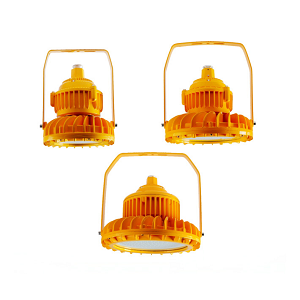
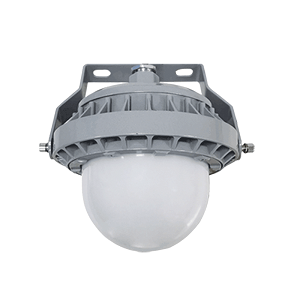
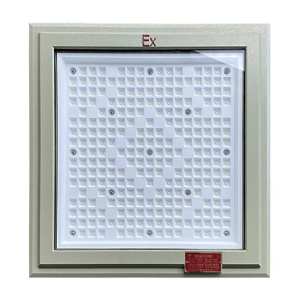
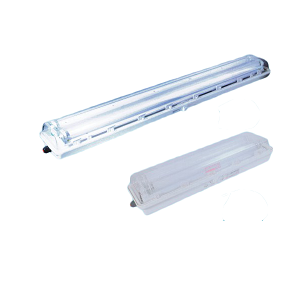
- Dustproof & Explosion-Proof Fixtures: IP65-rated LEDs in cutting areas and explosion-proof models in storage zones (e.g., Ocean King BPC8720 series).
- Climate Sensor Integration: Trigger ventilation systems during abnormal temperature/humidity.
- Emergency Lighting: Sync with fire alarms to activate evacuation lighting.
6. Wireless Networking Advantages
- Bluetooth Mesh: Eliminates wiring costs and supports self-healing networks (30% faster installation).
- Scalability: Plug-and-play compatibility for layout changes (e.g., ZigBee’s 100m range).
- Network Stability: Single-node failures don’t disrupt overall operations.
7. Data-Driven Maintenance
- Energy Analytics: Generate usage reports and carbon reduction metrics (e.g., 270-ton CO2 reduction annually).
- Predictive Maintenance: Schedule replacements based on 20,000-hour LED lifespans.
- Role-Based Access: Admin and operator tiers prevent unauthorized changes.
8. Case Studies and ROI Validation
- Hubei Fuxing Factory: 40,000 sqm retrofit saved $15,000/year with a 12-month payback period.
- Changzhou Airport Hangar: 25,000 sqm project cut energy use by 65% in 3 days.
- Quality Improvement: 15% defect reduction due to optimized worker visibility.
9. Future Trends: Garment Factories Intelligent Lighting Solutions—AI and Carbon Neutrality
- AI-Powered Optimization: Machine learning adjusts lighting based on production line speed.
- Carbon Compliance: Achieve ESG goals and participate in carbon trading.
- IoT Ecosystem Integration: Sync with MES for unified equipment control.
10. Garment Factories Intelligent Lighting Solutions Implementation Guidelines
- Needs Assessment: Map lighting requirements to workflows (cutting, sewing, QC).
- Phased Retrofits: Prioritize high-usage zones (e.g., 24/7 warehouses).
- Training & Support: Provide manuals and lifetime maintenance (e.g., monthly system health reports).
FAQ
Q1: How long does a smart lighting retrofit take?
A: A 40,000 sqm facility typically requires 10 days, with phased installation to avoid production disruptions.
Q2: Why choose LEDs over traditional lighting?
A: LEDs use 50% less energy, last 20,000 hours, and reduce cooling costs due to low heat output.
Q3: Can system failures halt production?
A: No. Modular design isolates faults, and real-time alerts ensure 80% faster repairs.
Q4: How is data security ensured?
A: HTTPS encryption and role-based access controls protect operational data.
Q5: What’s the average ROI period?
A: Most projects achieve full ROI within 12 months via energy and maintenance savings.
Related Products
 English
  Spanish (Spain)
  Arabic
  German
  French
  Russian
  Italian
  Portuguese
  Spanish (Mexico)
  Romanian
  Greek
Greek  Turkish
  Korean
  Hungarian
  Japanese
  Dutch
Dutch  Bulgarian
  Czech
Czech  Danish
  Slovak
  Ukrainian
  Thai
Thai  Vietnamese
  Indonesian
  Malay
Malay  Tagalog