
Are LED lights safe? Seven common misconceptions

LED lamps and lanterns have gradually become the mainstream home lighting lamps and lanterns, people also began to pay attention to the safety of LED lamps. LED lamps used for a long time will be like incandescent lamps, fluorescent lamps like hot, LED lamps of blue light will be harmful to our eyes? There are also some voices questioning whether LED lights will affect sleep, cause headaches, and have adverse effects on our skin.
Are LED lights really safe? Read this article and we will explore 7 common misconceptions about LED lights and find out what kind of LED lights are the safest.
Myth 1: LED lights are not safe to leave on for long periods of time
The most common questions users ask about LED lights include: how long can LED lights stay on? Can they be used all night? Will there be overheating? These are related to the heat of the LED lights, LED lights have excellent photoelectric conversion efficiency, can be most of the electrical energy into light energy, while only a very small part of the energy into heat, so the lamps will not be as traditional light source as obviously hot. Its high efficiency also ensures that the load on the power supply line is always kept low, guaranteeing the safety of electricity consumption.
In other words, LED lights are the most suitable choice for long-term continuous lighting. It’s no problem at all to leave the light on all night long in everyday use, and quality LED lamps even support 24/7 operation – as long as the surrounding environment is not too hot or humid.
Of course, LED lights do generate a small amount of heat when they work, and the control circuits also emit a certain amount of temperature. The temperature of the lamp will gradually increase after a long period of operation, so it is still necessary to check the lamp regularly for overheating. If you have seen reports of accidents in which LED lights overheated and caught fire, it is very likely that the lamps involved did not meet the heat dissipation standards. Qualified LED lighting components should have adequate heat resistance. In addition, improper installation may also cause problems, such as the use of lamps and lanterns in humid environments, or not reserved space for heat dissipation.
Myth 2: The blue light emitted by LED lamps can harm the eyes
According to IEC62471 “Photobiological Safety of Lamps and Lamp Systems” standard, blue light in the 400nm~500nm band may induce retinopathy. But the fact is that blue light is ubiquitous in our lives, and traditional lamps such as metal halide lamps commonly found in sports stadiums and shopping centers not only release blue light, but also produce ultraviolet light, infrared radiation, and other light that is more likely to cause eye diseases. Blue light is a necessary component for generating white light, and is therefore present in all lighting products.
People think that LED lights blue light is excessive, because some LED lights use blue light to excite yellow phosphor to produce white light. But LED lamps have taken multiple measures to control blue light: first of all, IEC62471 strictly stipulates the lamps and lanterns blue light irradiation brightness or irradiance safety limits, as long as it meets the corresponding standards on the photobiological hazards; Secondly, the use of RGB three-color mixing technology LED lamps can reduce the proportion of blue light; In addition, the choice of 3000K below the low-color temperature of the warm white LED lamps can also be effective in reducing the output of blue light.
Myth 3: LED lights affect sleep quality
The claim that LED lights affect sleep also stems from concerns about blue light. Long-term exposure to blue light will transmit to the brain to “reduce melatonin secretion” signal, the lack of this hormone will disrupt the body’s circadian rhythm leading to insomnia. But the actual LED products used for night lights are usually low color temperature, low brightness, low blue light design, many LED lights also have dimming and color adjustment function – when adjusted to 3000-3500K warm white light when the blue light output is significantly reduced. Some products also come with lampshades that filter blue light. The correct choice of LED lamps and lanterns can significantly reduce the impact on sleep.
Myth 4: LED light strobe will cause headaches
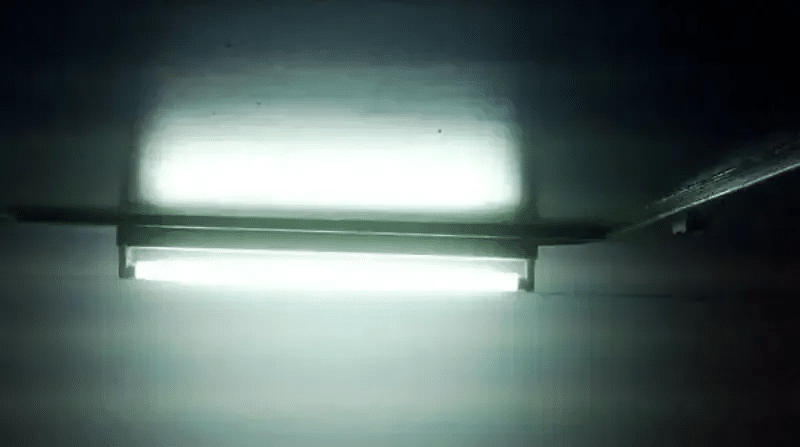
The existence of strobe lamps and lanterns is indeed harmful to the human body, should be replaced immediately. But strobe is not a unique problem of LED lights, other light sources may also appear, which depends entirely on the quality of the lamps. As the latest lighting technology, LED lights have developed a variety of programs to inhibit strobe: qualified LED bulb internal configuration of constant current chip can effectively reduce strobe, the circuit design also uses a variety of rectification methods. Purchase qualified products almost no strobe problem. Detecting strobe is very simple: use your cell phone camera to point at the lamps, if the screen appears fluctuation streaks indicate the presence of strobe.
Myth 5: LED lights have adverse effects on the skin
Some people see LED lights are used as a tanning lamp, began to worry about long-term use of home LED lights will also affect the skin. Those who have this concern need to clearly distinguish between LED beauty lights and ordinary LED lights – conventional LED lamps and lanterns with a wide range of light wavelengths, while medical LED bulbs will be precise control of light waves in a specific zone. For example, 415nm blue light, which is the most effective for treating acne, medical blue light lamps will strictly control the wavelength within the range of 415±5nm. Ordinary LED light spectral range, the proportion of light in each band is negligible, and will not affect the health of the skin.
Myth 6: LED lights contain metal elements harmful to health
Mercury is very harmful to the environment and human body, common in fluorescent lamps, high pressure mercury lamps and other traditional lamps, but LED lamps do not contain mercury, which makes LED lamps safer than other lamps. In addition, LED lamps also do not contain lead, cadmium and other dangerous elements found in some traditional lamps. Although LED lamps contain nickel and copper components, these elements are widely used in daily consumer products: fluorescent lamps internal wires are mostly nickel-plated iron core, traditional lamps commonly used copper-plated iron wire, nickel-plated copper wire, etc., and fluorescent lamps E27/E14 lamp head is also mostly nickel-plated iron material. In comparison, the impact of metal elements in LED lamps and lanterns is minimal.
Myth 7: LED lights release harmful electromagnetic fields
LED lights often use PWM technology to achieve constant current power supply and dimming function, so it will produce certain electromagnetic harmonics. But the electromagnetic field generated by LED lights belongs to the “low level electromagnetic field”, there is no evidence that life in the low electromagnetic radiation will affect health. Moreover, the electromagnetic field strength with the distance increases sharply attenuation, the actual impact is almost negligible.
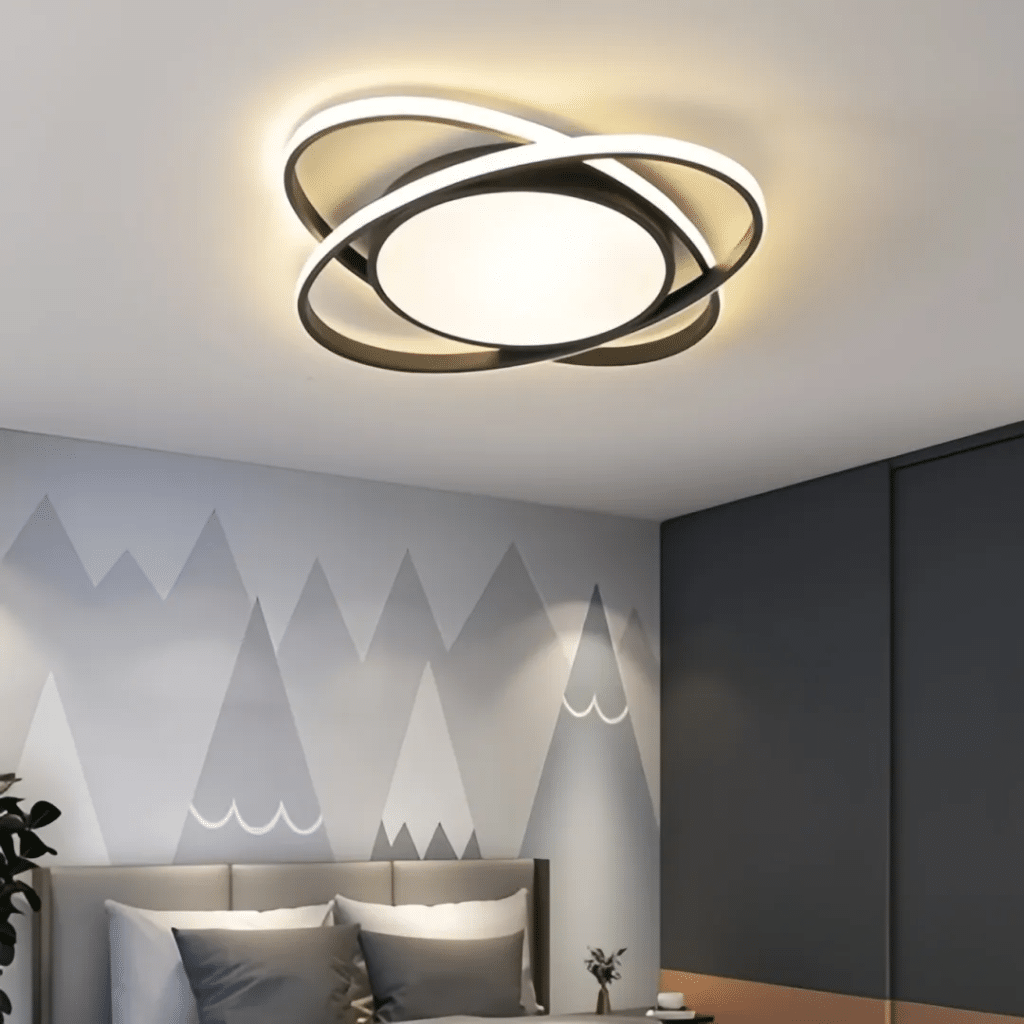
How to choose the safest LED lights?
- Recognize reliable brand products that have passed UL, RoHS and many other certifications;
- Prefer flame-retardant plastic lamp body (surface is frosted texture), eliminate ordinary plastic (smooth surface reflective) made of flammable lamps;
- Preferred aluminum/iron heat sink, the larger the substrate area, the better the heat dissipation effect.
- Normal operation should maintain a low temperature rise state, and through the cell phone camera to detect the presence or absence of strobe;
- Constant current driver circuit must be configured;
- Indoor LED light color temperature should not exceed 4000K, color rendering index needs to be ≥ 80 to reduce the potential impact of blue light;
Seven, the daily use of lamps and lanterns URG value is recommended to control between 16-19 to avoid glare injury to the eyes.
LED lights are not like the rumors of health hazards. As long as the purchase of qualified products, its safety hazards in terms of heat dissipation and blue light is completely controllable. The purchasing suggestions in this article will help you get a safe and secure lighting experience.
Related Products
 English
  Spanish (Spain)
  Arabic
  German
  French
  Russian
  Italian
  Portuguese
  Spanish (Mexico)
  Romanian
  Greek
Greek  Turkish
  Korean
  Hungarian
  Japanese
  Dutch
Dutch  Bulgarian
  Czech
Czech  Danish
  Slovak
  Ukrainian
  Thai
Thai  Vietnamese
  Indonesian
  Malay
Malay  Tagalog