
Analysis of Key Maintenance Points for Explosion-Proof Electrical Equipment in Chemical Plants

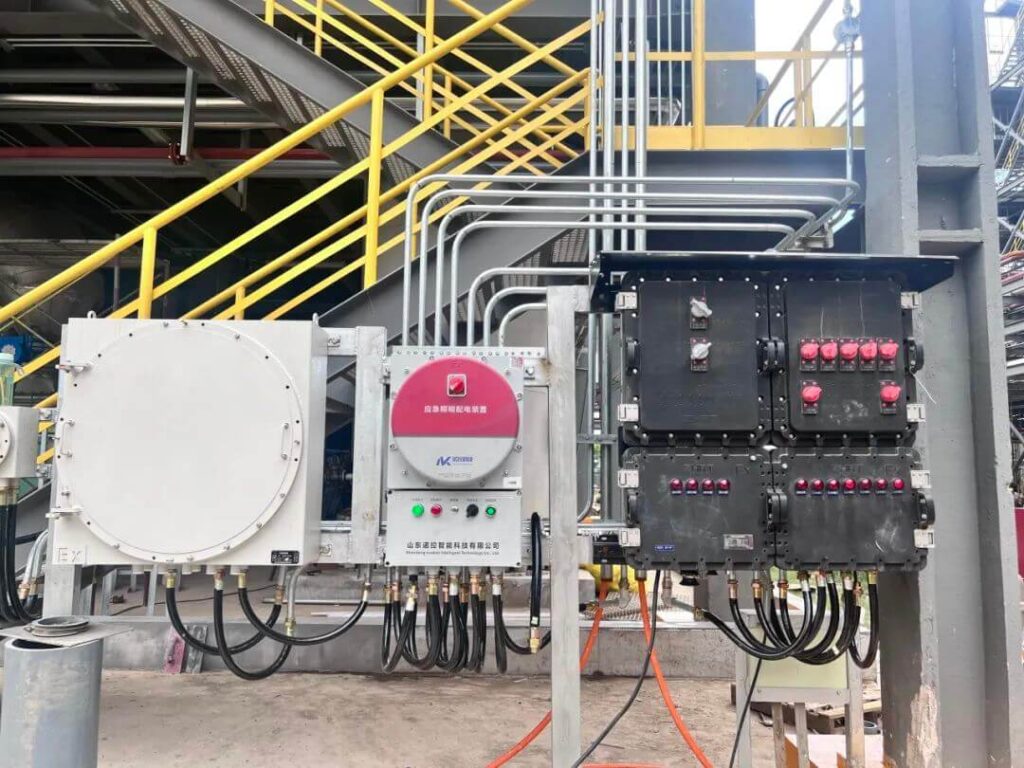
In explosive hazardous environments such as chemical plants, the maintenance of explosion-proof electrical equipment is critical, directly impacting production safety and personnel health. These devices must withstand harsh environmental conditions while maintaining high explosion-proof performance. This article explores the key maintenance practices for explosion-proof electrical equipment in chemical plants, covering visual inspections, professional equipment testing, specialized checks, housing fastening, corrosion prevention, and safety evaluations.
PART 01: Visual Inspection
1.1 Housing and Junction Box Inspection
Visual inspection is the first step in maintenance. Key checks include:
- Housing integrity: Look for cracks, damage, or compromised paint.
- Junction box: Ensure covers are tightly secured, bolts are intact, and anti-loosening devices are functional.
These inspections help identify risks such as electrical sparks caused by housing breaches or loose connections.
1.2 Oil-Filled Equipment Inspection
For oil-filled explosion-proof equipment, verify:
- Leakage: Check for oil seepage or leaks.
- Oil level: Ensure compliance with specified height requirements to prevent operational failures or ignition risks.
PART 02: Professional Equipment Testing
2.1 Electrical Performance Testing
Use specialized instruments to measure:
- Insulation resistance: Ensures electrical isolation integrity.
- Grounding resistance: Verifies proper grounding to avoid electrical faults.
2.2 Ventilation and Exhaust System Testing
For pressurized (purging-type) explosion-proof equipment:
- Confirm ventilation/exhaust systems are unobstructed.
- Validate inlet/outlet positioning and connections comply with standards to prevent explosive gas ingress.
PART 03: Specialized Inspections
3.1 Sealing and Isolation Device Checks
- Ensure cable seals or isolation devices are installed correctly to block explosive mixtures from entering equipment.
- Inspect seals for aging or damage and validate isolation effectiveness.
3.2 Grounding and Anti-Static Testing
- Confirm grounding/neutralizing systems meet design specifications.
- Regularly test grounding resistance to prevent static-induced explosions.
PART 04: Housing Fastening
Proper fastening ensures explosion-proof integrity:
- Use torque wrenches to uniformly tighten bolts on flameproof joints, preventing gaps or bolt fractures during internal explosions.
- Verify all bolts, spring washers, and fasteners are secure and undamaged.
PART 05: Addressing Corrosion Damage
In corrosive environments:
- Regularly inspect metal housings, fasteners, and insulation for corrosion.
- Replace corroded components promptly and apply anti-corrosion coatings to extend equipment lifespan.
PART 06: Safety Evaluation of Explosion-Proof Equipment
6.1 Equipment Selection and Installation
- Ensure equipment matches hazardous area classifications (zones, gas groups, temperature classes).
- Follow installation manuals strictly to preserve explosion-proof performance.
6.2 Operational and Maintenance Assessment
- Periodically evaluate equipment performance, maintenance records, and safety risks.
- Address issues proactively to ensure long-term reliability.
Conclusion
Maintaining explosion-proof electrical equipment in chemical plants requires a systematic approach, encompassing visual checks, professional testing, corrosion management, and rigorous safety evaluations. By adhering to these practices, facilities can ensure operational safety, minimize explosion risks, and safeguard personnel and assets. This comprehensive maintenance strategy is essential for sustaining safe and efficient production in high-risk environments.
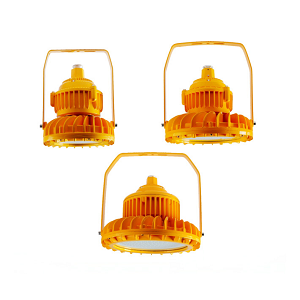
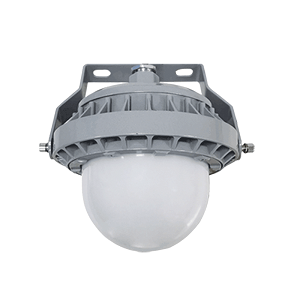
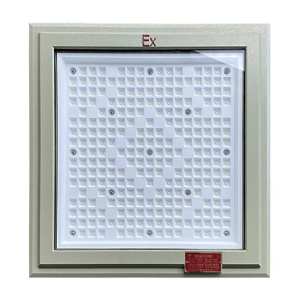
Related Products

 EN
EN  ES
ES  AR
AR  DE
DE  FR
FR  RU
RU  IT
IT  PT
PT  ES_MX
ES_MX  RO
RO  EL
EL  TR
TR  KO
KO  HU_HU
HU_HU  JA
JA  NL
NL  BG
BG  CS
CS  DA
DA  SK
SK  UK
UK  TH
TH  VI
VI  ID
ID  MS
MS  TL
TL