
From Coal Mines to Battery Storage: Evolving Applications of Flame Proof LED Technology
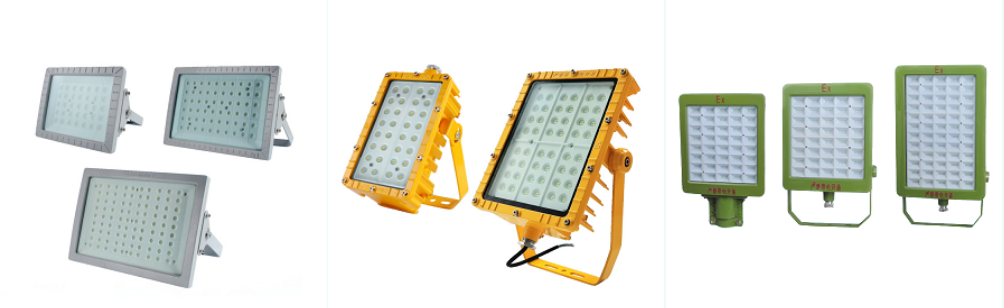
How Hazardous Environment Lighting Transforms Energy Infrastructure Safety
Introduction: A Legacy of Hazardous Environment Innovation
Flame-proof LED technology has evolved from its roots in coal mining—where methane explosions demanded rugged, spark-resistant lighting—to becoming a cornerstone of modern energy storage safety.
As industries transition from fossil fuels to renewable energy systems, flame-proof LEDs now address critical risks in battery storage facilities, hydrogen production plants, and grid-scale energy installations.
This article explores the technical adaptations, material innovations, and regulatory shifts driving this transformation, with actionable insights for engineers and safety managers.
1. Coal Mines: The Birthplace of Flame-Proof Standards
A. Methane Mitigation in Underground Mining
Historical Context: Early flame-proof lamps used sealed glass enclosures and copper alloy housings to prevent methane ignition, achieving ≤0.05mm flame path gaps to cool escaping gases below 400°C.
Modern LED Adaptations: Cast aluminum housings with ceramic-coated seals now withstand pressures exceeding 1.5MPa, complying with IECEx Zone 1 standards for continuous methane exposure.
B. Dust Explosion Prevention
Material Science: Electrostatic-dissipative polycarbonate lenses reduce coal dust adhesion by 70%, critical in Zone 22 environments.
Case Study: A 2024 upgrade in Australian coal mines replaced halogen lamps with LEDs featuring graphene-enhanced heat sinks, cutting maintenance costs by 40%.
2. Battery Storage: Thermal Runaway and Fire Risks
A. Lithium-Ion Hazards
Thermal Runaway: Catastrophic battery failures can exceed 1,000°C, melting standard enclosures. Flame-proof LEDs with nano-ceramic coatings (tested to 800°C for 30 seconds) isolate ignition sources in ESS facilities.
Case Study: CAT® Battery Energy Storage Systems (BESS) integrate flame-proof LEDs with thermal sensors, achieving <0.5-second response times to gas leaks.
B. Flow Battery Challenges
Corrosive Electrolytes: Iron-chromium flow batteries require IP66-rated fixtures with conductive epoxy gaskets to resist sulfuric acid degradation.
Innovation: Trina Solar’s Elementa FTM systems use flame-proof LEDs with self-healing polymer seals, extending lifespan by 50% in humid environments.
3. Hydrogen Production: High-Risk Combustion Environments
A. Electrolysis Plant Safety
Hydrogen Permeation: Flame-proof LEDs with zirconia flame arrestors block H2 diffusion, critical in Zone 1 areas where concentrations exceed 4%.
Material Breakthroughs: Stainless steel housings anodized with boron-doped carbon nitride coatings reduce hydrogen embrittlement risks.
B. Offshore Hydrogen Storage
Saltwater Corrosion: Triple-layer marine-grade coatings on LEDs resist chloride-induced degradation, complying with IMO SOLAS regulations.
4. Grid-Scale Renewable Integration
A. Front-of-the-Meter (FTM) Storage
Grid Stabilization: Flame-proof LEDs in Trina’s Elementa systems monitor inverter temperatures during frequency regulation, preventing arc flashes in 480V+ environments.
Energy Arbitrage: Modular LED designs allow rapid reconfiguration in peak-shaving applications, aligning with dynamic grid demands.
B. Hybrid Microgrids
Diesel-Battery Synergy: Cat BESS modules pair flame-proof LEDs with lean-burn natural gas generators, reducing transient voltage dips by 35%.
5. Certification and Sustainability Trends
A. Global Standards Convergence
ATEX vs NEC: Dual-certified fixtures now merge EN 60079-1 (explosion containment) and UL 844 (flame resistance), essential for multinational projects.
Emerging Markets: China’s GB/T 3836-2024 mandates flame-proof LEDs for lithium refinery ventilation, driving demand for hybrid Ex d/FLP designs.
B. Eco-Friendly Materials
Recyclable Alloys: 80% recycled aluminum housings meet EU Circular Economy standards, avoiding $5,000/ton landfill fees.
Bio-Based Retardants: Lignin additives replace toxic brominated compounds in lens coatings, complying with REACH regulations.
Related Products
 English
  Spanish (Spain)
  Arabic
  German
  French
  Russian
  Italian
  Portuguese
  Spanish (Mexico)
  Romanian
  Greek
Greek  Turkish
  Korean
  Hungarian
  Japanese
  Dutch
Dutch  Bulgarian
  Czech
Czech  Danish
  Slovak
  Ukrainian
  Thai
Thai  Vietnamese
  Indonesian
  Malay
Malay  Tagalog